
Ultimate Foundation Repair Supplies for Professional Results
Equip yourself with top-performing products designed to deliver durable and lasting foundation repairs.
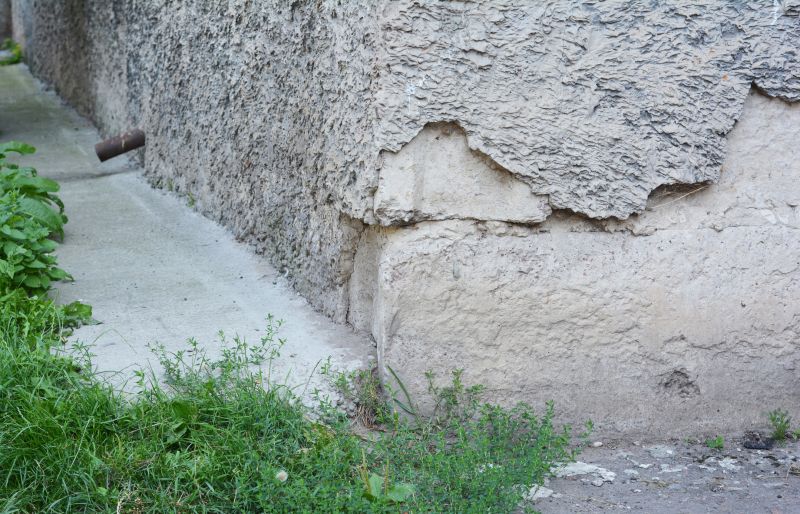 Foundation repairs are essential for maintaining the stability and safety of a structure, especially in areas prone to soil movement or moisture fluctuations. Various products are available to address different types of foundation issues, from minor settling to significant structural concerns. Selecting the right products involves understanding the specific needs of your property, the extent of the damage, and the underlying soil conditions. In Sanford, FL, where soil types and weather patterns can influence foundation stability, it's important to choose solutions that are suitable for local conditions.
Top Overall Option
Adjustable Foundation Support Jacks
Adjustable foundation support jacks are versatile tools that allow for precise leveling and stabilization of a foundation. They can be used in both professional and DIY repair projects to lift and support sagging or uneven sections of a structure. These jacks are typically made from durable steel and feature easy-to-use adjustment mechanisms, making them suitable for various foundation types and repair scenarios. Proper installation ensures improved stability and can help prevent further damage caused by shifting soil or settling. When selecting adjustable jacks, consider their weight capacity, height range, and compatibility with your foundation's needs for optimal results.
Types of Products For Foundation Repairs
Hydraulic Push Piers
Hydraulic push piers are installed beneath the foundation to lift and stabilize sinking structures, providing long-term support in cases of soil settlement.
Helical Piers
Helical piers are screwed into the ground to provide stable support for foundations and are often used in areas with challenging soil conditions.
Polyurethane Foam Injections
Polyurethane foam injections are used to fill voids and lift sunken concrete or foundation sections, offering a quick and minimally invasive repair option.
Concrete Patching and Crack Fillers
These products are designed for sealing cracks and minor surface repairs to prevent water intrusion and further deterioration.
Soil Stabilization Compounds
Applied to loose or shifting soil, these compounds enhance soil stability and reduce movement that can affect foundation integrity.
Support Beams and Columns
Support beams and columns are used to reinforce load-bearing elements of a foundation, especially in sagging or compromised areas.
Underpinning Systems
Underpinning involves extending the foundation depth or adding support to strengthen the existing structure against settlement.
Steel Support Posts
Steel posts are adjustable supports that can be placed beneath a foundation or floor joists to provide immediate stabilization.
Epoxy Injection Kits
Epoxy injections are used to repair cracks and bond broken concrete sections, restoring structural integrity.
Foundation Waterproofing Membranes
Waterproof membranes help prevent moisture intrusion that can weaken foundation walls over time.
Vibration and Compaction Equipment
These tools are used to compact soil around the foundation area, reducing settlement and improving stability.
Anchor Bolts and Plates
Anchors reinforce foundation walls and prevent them from bowing or collapsing due to lateral pressure.
Foundation Leveling Kits
Leveling kits include adjustable supports and shims designed to correct uneven flooring and foundation surfaces.
Crack Monitoring Systems
Monitoring systems help track crack movement over time to assess the effectiveness of repair efforts.
Drainage Solutions
Proper drainage products divert water away from the foundation, reducing soil erosion and pressure.
Soil Moisture Barriers
These barriers help control moisture levels around the foundation, minimizing soil expansion and contraction.
Foundation Repair Anchors
Anchors provide lateral support to bowed or cracked foundation walls, helping to prevent further movement.
Popular Choices
Hydraulic piers are frequently used for their ability to lift and stabilize sinking foundations with precision.
Polyurethane foam products are popular for quick, minimally disruptive repairs to fill voids and lift concrete.
Adjustable steel support posts are commonly employed for immediate stabilization of sagging floors or slabs.
Epoxy crack fillers are widely used to seal and bond small to medium cracks in concrete and masonry.
Underpinning piles are chosen for their ability to extend foundation support into more stable soil layers.
Effective drainage solutions are essential in preventing water accumulation around foundations.
All-in-one repair kits containing multiple components are popular for DIY foundation stabilization projects.
Soil stabilizers are used to enhance soil strength and reduce movement underneath foundations.
Waterproof membranes are a common choice for protecting basement walls from moisture intrusion.
Bentonite clay barriers help control water flow and soil swelling around foundations.
Vibration compactors are used to densify soil around the foundation, improving stability.
Supports designed to stabilize and straighten bowed or cracked foundation walls are frequently sought after.
Shims are used to adjust and level uneven floors or foundation surfaces effectively.
Reinforcement plates strengthen weak or cracked foundation walls and beams.
Moisture barriers help maintain consistent soil moisture levels, reducing foundation movement.
Mortars designed for patching and filling cracks provide durable surface repairs.
Anchors that resist lateral pressure are used to stabilize walls and prevent collapse.
Foundation repair products range from simple repair patches to advanced underpinning systems. Many of these products are designed to stabilize the foundation, lift sunken areas, or prevent further movement. Proper installation and compatibility with existing structures are crucial factors to consider when choosing repair products. Consulting with a foundation specialist can help determine the most appropriate options, ensuring the longevity and safety of your home or building.
While some foundation issues are visible and straightforward to address, others may require more sophisticated solutions. Products like hydraulic piers, helical anchors, and polyurethane foam injections are commonly used in professional repairs. For DIY enthusiasts, there are also accessible options such as repair patches, soil stabilization compounds, and adjustable support jacks. Understanding the capabilities and limitations of each product type can help you make informed decisions tailored to your repair needs.
Investing in quality foundation repair products can help mitigate further damage and maintain property value. Always prioritize products that are compatible with your specific foundation type and soil conditions. Proper application and adherence to safety guidelines are essential for effective results. Whether you are managing minor cracks or addressing major structural concerns, selecting the right products is a critical step toward ensuring the stability and safety of your property in Sanford, FL.
Key Buying Considerations
- Assess the type and extent of foundation damage to select appropriate products.
- Consider soil conditions and how they influence foundation stability and repair options.
- Determine whether a DIY approach or professional intervention is necessary based on repair complexity.
- Evaluate the load-bearing capacity of products like support jacks and piers to ensure they meet your needs.
- Check compatibility of repair materials with existing foundation materials such as concrete or masonry.
- Review product specifications for durability, especially in humid or wet environments common in Florida.
- Prioritize products with clear installation instructions and safety guidelines.
- Consider the ease of adjusting or removing support systems if future modifications are needed.
- Research warranties or guarantees offered by the manufacturer for peace of mind.
- Account for local building codes and regulations in Sanford, FL, to ensure compliance.
- Estimate the scope of the repair project to determine the quantity of materials required.
- Look for products that facilitate long-term stability rather than temporary fixes.
- Evaluate the cost-effectiveness of different products in relation to their durability and effectiveness.
- Consider environmental factors such as moisture levels and drainage around your property.
- Seek professional advice if unsure about the best products for your specific foundation issues.